Incoterms Explained for Beginners: Understand Global Shipping Terms
Updated: Apr 13
When diving into the world of global trade, understanding the jargon can be overwhelming. If you're new to international shipping, you've likely come across the word "Incoterms." But what exactly does it mean? In this guide, we'll break down the essential aspects of Incoterms, making it easy to grasp their significance in global shipping.
What Are Incoterms?
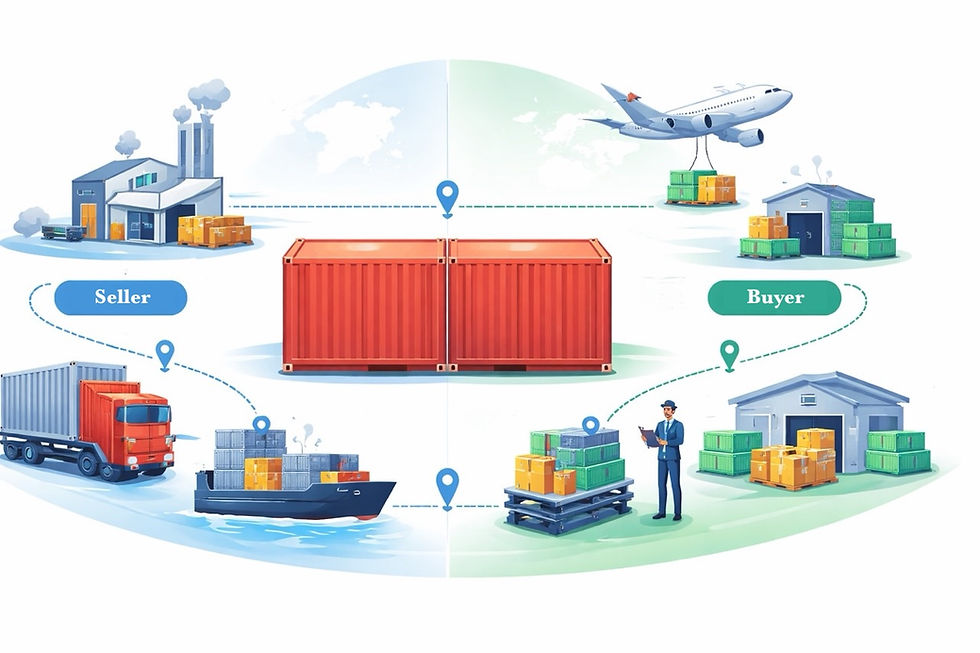
Incoterms, short for International Commercial Terms, are the go-to rules for anyone involved in international trade. Created by the International Chamber of Commerce (ICC), these terms act as a universal language for buyers and sellers across the globe.
So, why should you care? Well, Incoterms clarify what each party is responsible for when it comes to shipping. They set the stage for who pays for things like freight, insurance, and customs duties. Think of them as a roadmap through the sometimes murky waters of global shipping.
ASC With Incoterms, you can avoid misunderstandings that could cost you time and money. Instead of worrying about who's doing what, you'll have clear guidelines that keep everyone on track. Keeps the peace, right? So, whether you're a buyer or seller, knowing Incoterms is like having a cheat sheet for international transactions.
In short, Incoterms provide structure and make things easier for anyone diving into the world of global trade.
Why Incoterms Matter
When you're dealing with international shipping, Incoterms aren't just some complex legal terms, they're your roadmap. We all know a good map can save you from getting lost, and Incoterms do just that for global trade. First off, they help avoid disputes between buyers and sellers. Nobody likes surprises, especially when shipping costs or responsibilities are on the line. By clarifying who does what, you can sidestep those awkward conversations about who's supposed to cover duty fees or handle delays.
Next up, better planning. Whether you're a small business or a larger operation, having a clear understanding of your responsibilities lets you make smarter decisions about logistics. Do you need to budget for insurance? Which party handles customs paperwork? These are crucial details that can make or break a trade deal.
Lastly, let's talk compliance. Navigating international trade regulations can feel like a maze. Knowing Incoterms helps ensure you're on the right side of the law. It's all about staying informed and minimizing risks, so you can focus on what really matters, growing your business. In essence, mastering Incoterms is not just smart practice; it's essential for anyone stepping into the global marketplace.
Common Incoterms Explained for Beginners
When you start looking at Incoterms, it helps to know what each term really means for your shipping. Here's a breakdown of some of the most common Incoterms you'll encounter. Think of these as the building blocks of your shipping strategy, no fluff, just the essentials.
EXW (Ex Works)
Who is Responsible? With EXW, the seller has minimal responsibility. They make the goods available at their premises, and after that, it's all on the buyer. From picking it up to getting it through customs, the buyer handles everything.
Example: Say you're in the market for some heavy machinery from a factory in Germany. The factory will have that machinery packed and sitting on their floor, waiting for you to come pick it up and take it from there.
FOB (Free on Board)
Who is Responsible? Under FOB, the seller is responsible for transporting the goods to the ship and getting them loaded. Once that's done, the risk passes to the buyer. They're now on the hook for the goods in transit.
Example: Imagine you've ordered textiles from India. The supplier takes care of getting the goods to the port and on the ship. Once that's complete, you're now the one who needs to deal with any shipping issues.
CIF (Cost, Insurance, and Freight)
Who is Responsible? CIF means the seller covers the cost of shipping and insuring the goods right up until they reach the destination port. The risk shifts to the buyer once the goods are loaded onto the vessel.
Example: If you're buying electronics from Japan, the seller will pay to ship them and insure them until they hit an Australian port. After that, you need to take over.
DDP (Delivered Duty Paid)
Who is Responsible? DDP is a full-service deal. The seller covers everything, including shipping, customs duties, and taxes until the goods arrive at your door. The buyer has pretty much zero responsibility until delivery.
Example: Picture ordering furniture from Italy for your office in Canada. The Italian factory manages all the transport, customs, and taxes, delivering the furniture right to you, hassle-free.
By breaking these terms down, you can see exactly how responsibilities shift and where the risks lie. This knowledge isn't just academic; it's practical know-how that sets the tone for your shipping and can save you from unnecessary headaches.
How Incoterms Define Responsibilities in Global Trade
When you step into the arena of global trade, Incoterms act as your roadmap. They lay out each party's responsibilities clearly, setting the stage from the moment a sale is made to the final drop-off. Here's how these terms help streamline the whole process:
Logistics Clarity: Each Incoterm specifies who's responsible for what. Whether it's the seller getting goods to the port or the buyer dealing with customs, everyone knows their role. This clarity prevents mix-ups and ensures the supply chain operates smoothly.
Risk Management: Understanding when and where risk passes from seller to buyer is key. With Incoterms, you know exactly when you're off the hook. If something goes wrong during shipping, being aware of the responsibilities can save you from unexpected costs.
Documentation Assistance: Properly applying Incoterms simplifies shipping paperwork. It makes it easier for everyone involved, helping to streamline customs processes and reduce delays at borders. Accurate documentation paired with the right terms can keep your shipments moving without hitches.
In essence, Incoterms are your go-to guide in navigating the complexities of international shipping. They help establish a common understanding, minimize disputes, and keep things efficient, essential for any business looking to thrive in the global marketplace.
Practical Tips for Using Incoterms
Navigating the world of Incoterms can feel like tackling a puzzle, but here are some straightforward tips to make it easier.
Learn Incoterms: Familiarizing yourself with the terms is key. Make a list of the most common ones relevant to your trade and review them regularly. A little knowledge goes a long way, understanding how each term affects shipping can save you headaches later.
Consider Your Business Model: Reflect on how your business operates. Choose terms that match your logistical capabilities and risk appetite. If you're comfortable managing shipping logistics, an option like FOB might work well. If you prefer a hands-off approach, DDP could be your best bet.
Consult Professionals: When in doubt, don't hesitate to reach out to experts. Whether it's a freight forwarder, customs broker, or legal advisor, having seasoned professionals in your corner can be invaluable. They can help you select the right terms and ensure everything runs smoothly, ultimately saving you time and money.
Taking these practical steps will help you utilize Incoterms effectively, making your global shipping process much more manageable.
Conclusion
Understanding Incoterms is key for anyone looking to succeed in global trade. You've now got the rundown on what these terms are and how they shape shipping responsibilities. With this knowledge, you're better equipped to navigate the bustling world of international shipping. So, don't hesitate, dive into those Incoterms! Remember, this isn't just bureaucratic mumbo-jumbo; it's a roadmap for smoother transactions and fewer headaches.
And if you're feeling uncertain along the way, reaching out to a professional can save you from costly slip-ups. Keep learning, keep shipping, and you'll be handling those global trade conversations like a pro in no time!
For more tips on managing stock across Europe, swing by our internal resource at ASCCLTD. Happy shipping!
FAQ – Incoterms in International Trade
What are Incoterms?
Incoterms are international shipping rules published by the International Chamber of Commerce. They define the responsibilities of buyers and sellers in global trade transactions.
Why are Incoterms important in international shipping?
Incoterms clarify who is responsible for transportation, insurance, customs clearance, and risk during shipment. This helps prevent disputes between trading partners.
Who should understand Incoterms?
Anyone involved in international trade should understand them. This includes manufacturers, exporters, importers, distributors, freight forwarders, and e-commerce sellers.
What are the most commonly used Incoterms?
Common Incoterms include EXW (Ex Works), FOB (Free on Board), CIF (Cost Insurance and Freight), and DDP (Delivered Duty Paid). Each defines a different level of responsibility between buyer and seller.
What is the difference between EXW and DDP?
EXW places almost all responsibilities on the buyer, including transport and customs clearance. DDP places nearly all responsibilities on the seller, including duties and delivery to the buyer's location.
When should Incoterms be defined in a transaction?
Incoterms should be agreed upon during contract negotiation before shipping begins. This ensures both parties clearly understand their obligations.
Do Incoterms define ownership of goods?
No. Incoterms only define responsibilities related to transport, cost allocation, and risk transfer. Ownership and payment terms must be defined separately in the contract.
How can companies choose the right Incoterm?
The right Incoterm depends on logistics capabilities, control over shipping, risk tolerance, and the relationship between buyer and seller.
Can ASC Consulting help businesses manage international trade operations?
ASC Consulting assists international companies with global trade strategies, logistics planning, and structuring international operations for cross-border business.


Comments